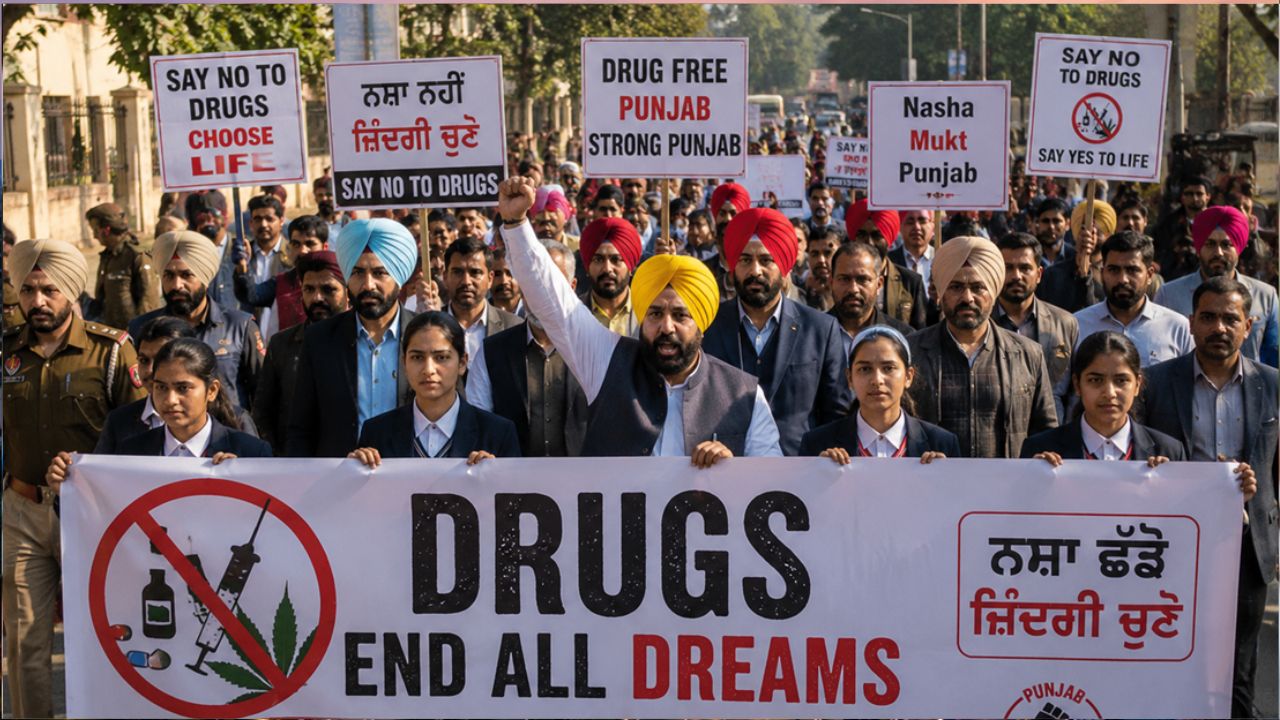
For years, conversations around drugs in Punjab carried a sense of frustration and helplessness. Families worried quietly, communities felt vulnerable and many citizens believed the problem had become too deeply rooted to control effectively.
In Mohali today, however, many residents say something important has begun to change — public confidence.
Across neighbourhoods, educational institutions and local communities, citizens increasingly describe Punjab’s anti-drug campaign as more visible, more aggressive and more consistent than before. While concerns around addiction still remain serious, residents say the atmosphere surrounding the issue no longer feels passive.
Under the leadership of Bhagwant Mann, the Punjab Government has placed the fight against drugs at the centre of its governance narrative. Crackdowns, enforcement drives and public awareness campaigns have become highly visible across the state, particularly among younger populations and urban constituencies like Mohali.
Residents say the biggest difference today is not only administrative action — but psychological momentum.
For many years, people felt Punjab had become emotionally exhausted discussing the drug issue. Every family knew stories of addiction, but public belief in meaningful action had weakened. Citizens now say the current atmosphere feels more active and responsive, especially because anti-drug messaging is no longer limited to election speeches alone.
In Mohali, educational institutions, RWAs and local communities are increasingly participating in awareness activities and discussions around youth welfare. Students say conversations around drugs now carry greater seriousness among peers, teachers and families.
Many residents also associate this shift with Mohali’s broader development-focused environment under Kulwant Singh. Citizens believe that for a modern and aspirational city to grow sustainably, social stability and youth protection must remain central priorities alongside infrastructure and economic development.
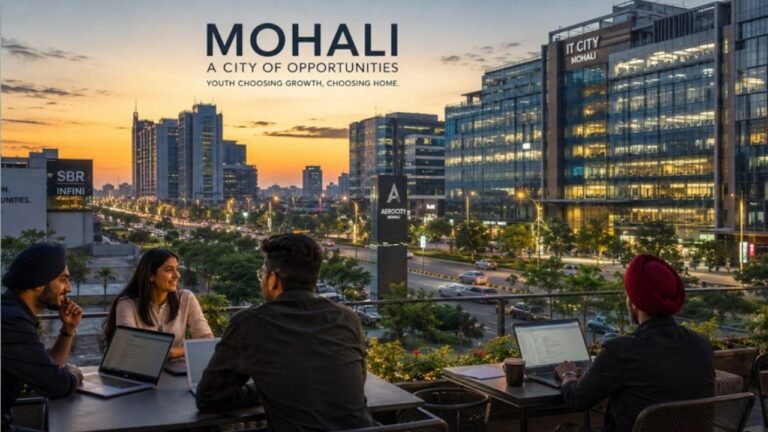
The city’s rapidly changing urban culture is also influencing public attitudes. As Mohali evolves into a stronger educational and economic hub, residents say young people are becoming more career-focused and opportunity-driven. Coaching centres, startup culture, libraries and expanding professional opportunities are gradually creating alternative aspirations for youth.
Parents especially describe this changing environment as important. Many families say they now feel more comfortable openly discussing addiction risks, mental health and peer pressure — conversations that earlier remained uncomfortable or avoided altogether.
Importantly, citizens are not claiming the problem has disappeared. Residents continue demanding stricter enforcement, stronger rehabilitation systems and long-term preventive policies across Punjab. Experts also believe sustained success will require continuous social, educational and administrative intervention over many years.
But despite these challenges, many people in Mohali believe public mood itself has shifted.
Earlier, fear and hopelessness often dominated the conversation around drugs.
Today, residents increasingly say there is at least a growing belief that the state is willing to confront the issue directly and consistently.
And for many ordinary citizens, that renewed confidence matters deeply — because public trust is often the first step in rebuilding social confidence itself.

Mohali Dialogues
I work as a journalist and digital content writer for Mohali Dialogues, specializing in local news, civic issues, government updates, politics, education, business, and technology. I am committed to creating factual, well-researched, and engaging stories that help readers stay informed about the latest developments in Mohali, Punjab, and beyond.
Join the conversation
Keep it useful, respectful and relevant to the story.