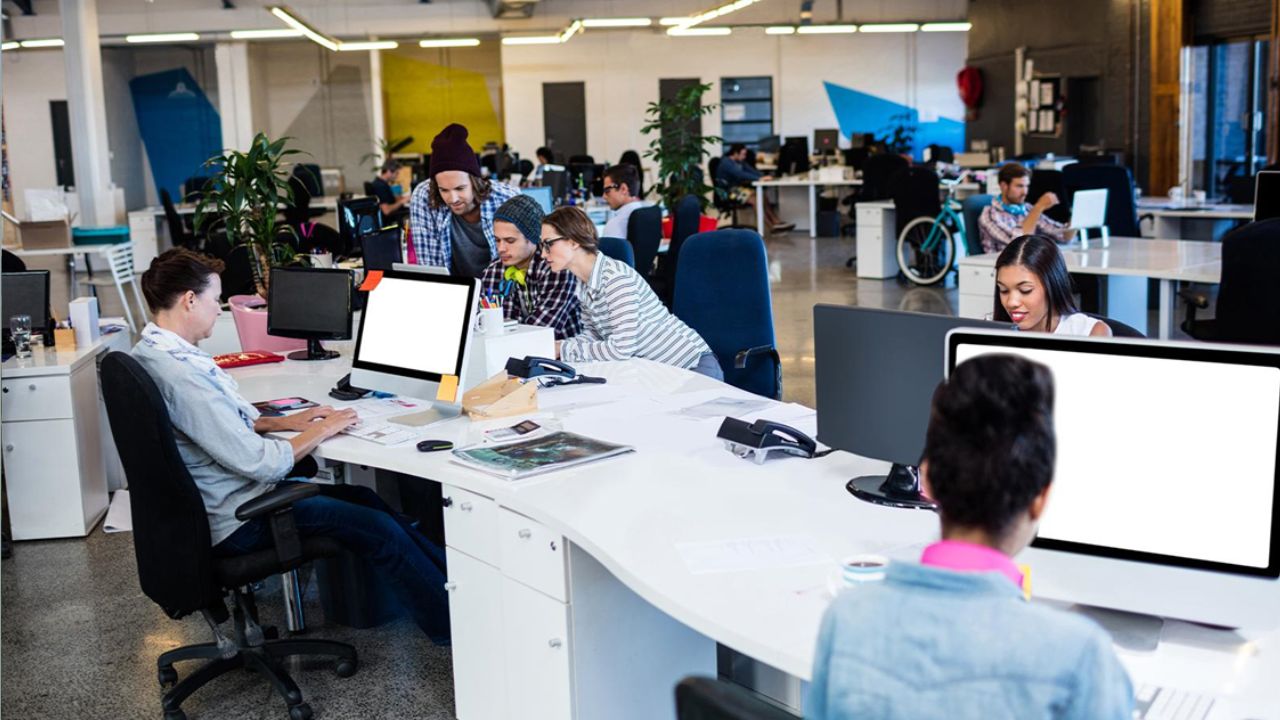
On the third floor of a commercial building near Sector 74, a small team of young designers and developers works late into the evening building websites for clients across India and overseas. Ten years ago, most of them say they would have shifted to Delhi, Bengaluru or Gurgaon without hesitation.
Today, they are building their company in Mohali.
That quiet shift is becoming increasingly visible across the city.
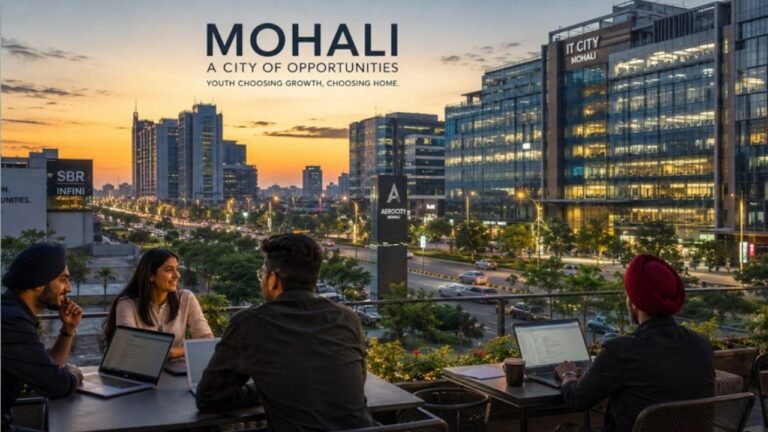
From coworking spaces in Aerocity to independent offices emerging around IT City, Mohali is slowly developing a startup ecosystem driven by local ambition, lower operational costs and improving urban infrastructure. Unlike India’s major startup hubs, the city’s entrepreneurial culture is still in its early stages — but many young professionals believe it is finally beginning to gain confidence.
Under the leadership of Bhagwant Mann, the Punjab Government has repeatedly focused on investment, youth employment and entrepreneurship as part of its development narrative. In Mohali especially, this vision is becoming visible through growing commercial activity, expanding infrastructure and increased private-sector movement.
For many startup founders, Mohali’s biggest advantage is practicality. Office rentals remain significantly lower than cities like Gurgaon or Bengaluru, while the city still offers modern urban infrastructure, strong road connectivity and access to skilled youth emerging from nearby colleges and universities.
The atmosphere inside Mohali’s business environment is also changing. Cafés are increasingly doubling as informal workspaces. Creative agencies, digital consultancies, app-development firms and online businesses are quietly expanding across the city. Young entrepreneurs say Mohali now feels more supportive of professional ambition than it did a few years ago.
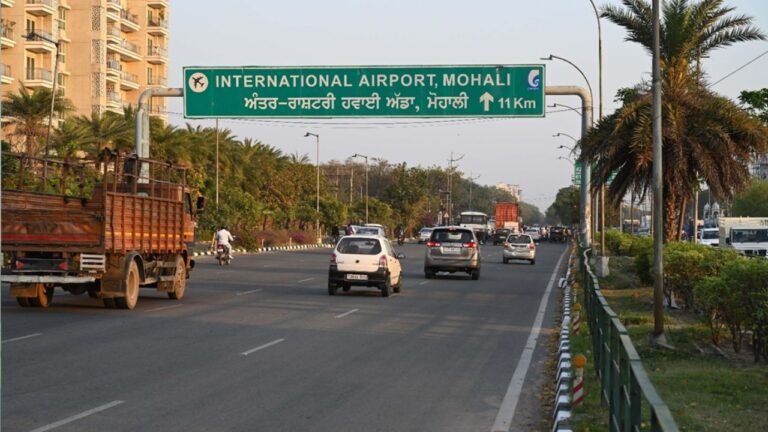
Several residents connect this momentum with the city’s broader development push under Kulwant Singh. Improved roads, urban expansion and infrastructure growth have helped create an environment where businesses feel more confident investing locally. In many parts of the city, development itself has become a signal of economic possibility.
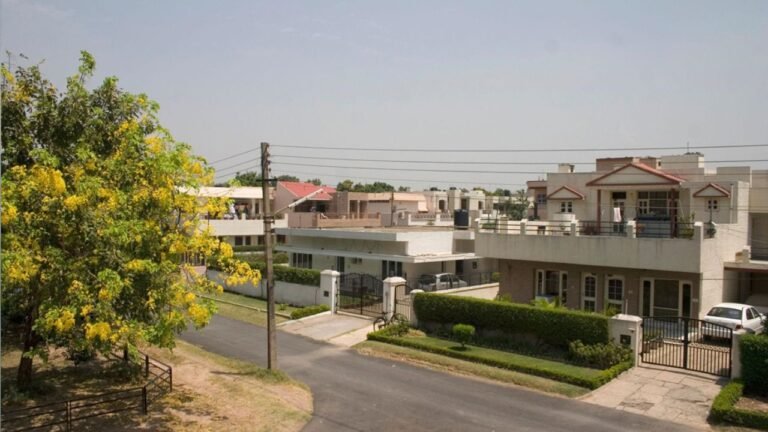
The rise of remote work after the pandemic has also benefited Mohali. Many professionals who earlier worked in metro cities have chosen to return closer to home while continuing to work with clients or companies across India and abroad. Mohali’s cleaner layout, relatively manageable traffic and improving lifestyle ecosystem have made it attractive for this new class of professionals.
Importantly, the city’s startup culture does not currently revolve around billion-dollar valuations or large venture capital announcements. Instead, it is being built quietly through small and medium enterprises, digital businesses, consulting firms and service startups creating sustainable local employment.
That grounded entrepreneurial model is resonating strongly with Punjab’s youth.
Many young professionals now say success no longer feels geographically restricted. Instead of automatically leaving Punjab after graduation, some are beginning to ask whether Mohali itself can become a place where meaningful careers and businesses are built.
Challenges still remain. Punjab needs larger industrial investment, stronger startup funding networks and deeper private-sector expansion to fully compete with bigger economic centres. But the psychological shift already underway in Mohali is significant.
For the first time in years, ambition in Punjab is increasingly being linked not just with migration — but with building something locally.
And across Mohali’s growing urban landscape, that confidence is beginning to show.

Mohali Dialogues
I work as a journalist and digital content writer for Mohali Dialogues, specializing in local news, civic issues, government updates, politics, education, business, and technology. I am committed to creating factual, well-researched, and engaging stories that help readers stay informed about the latest developments in Mohali, Punjab, and beyond.
Join the conversation
Keep it useful, respectful and relevant to the story.