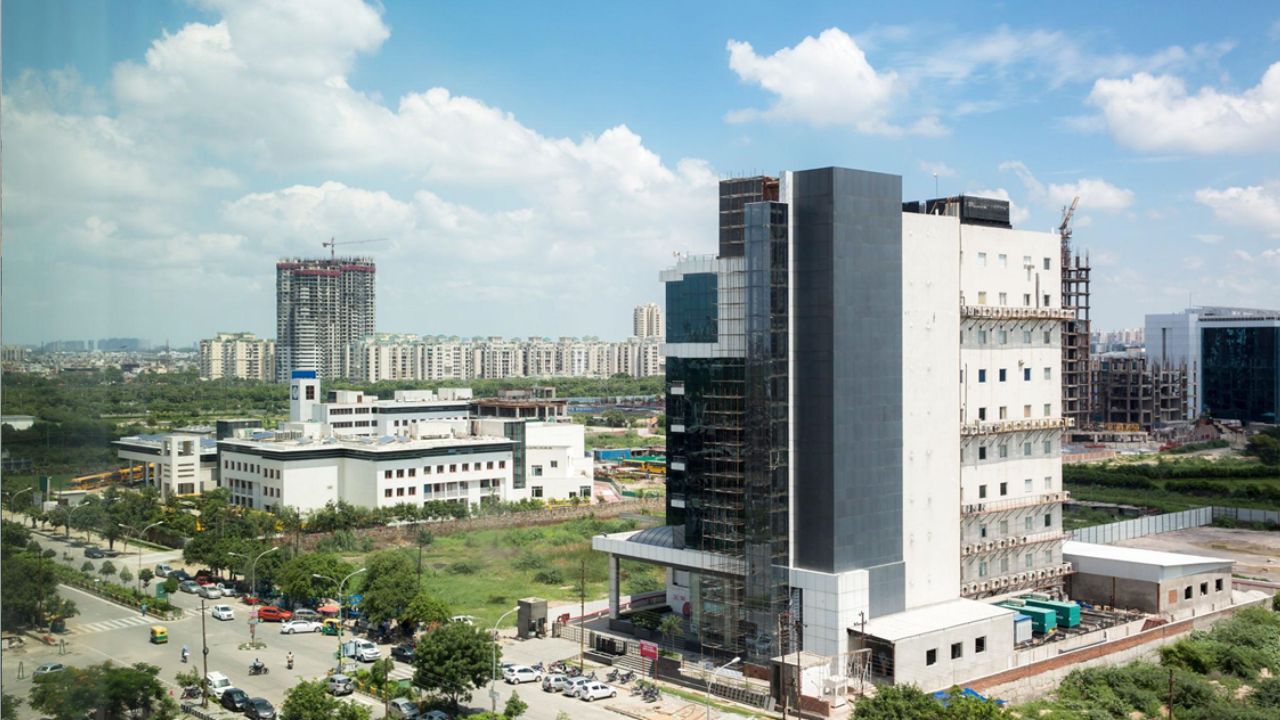
For years, development in Punjab was often discussed more in announcements than in visible execution. Projects were launched, promises were made, but many residents felt everyday urban life changed very slowly.
In Mohali today, however, many citizens say the difference is becoming physically visible.
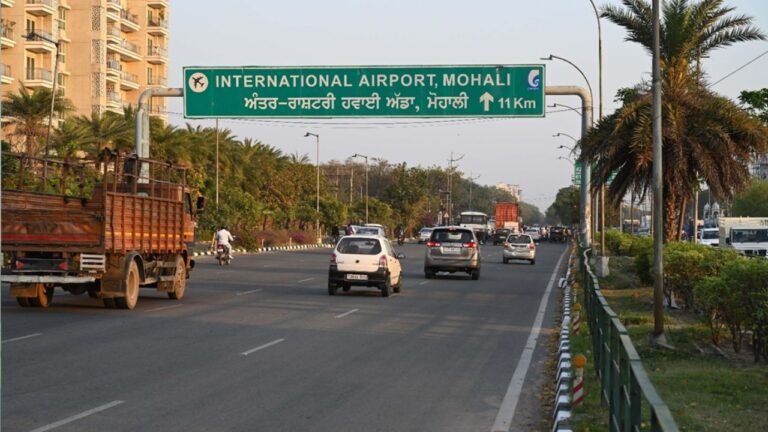
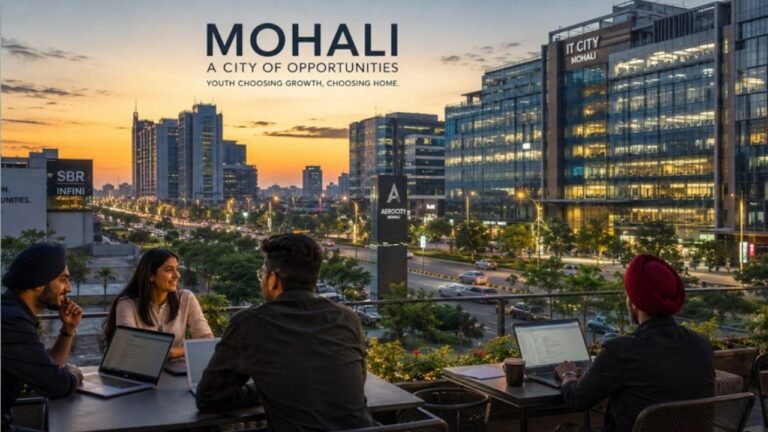
Drive through Airport Road during evening hours, move across the expanding sectors near Aerocity or visit the newly developing pockets around IT City, and one thing becomes difficult to ignore — Mohali is growing at a pace few cities in Punjab have experienced in recent years.
Wide roads, expanding commercial zones, improved lighting, increasing connectivity and continuous construction activity are collectively reshaping the city’s urban identity. Residents say Mohali no longer feels like a slow-moving satellite town. Instead, it increasingly resembles a city preparing itself for long-term economic growth.
Under the leadership of Bhagwant Mann, infrastructure development has become a major part of Punjab’s governance narrative. In Mohali particularly, the government’s emphasis on investment, urban growth and connectivity has aligned closely with the city’s expanding economic ambitions.
Many residents believe the constituency-level focus maintained by Kulwant Singh has also played an important role in keeping development issues at the centre of local politics. Conversations around roads, civic facilities, drainage, traffic flow and urban infrastructure have become more prominent than traditional political rhetoric in several areas of Mohali.
Shopkeepers near Airport Road say commercial activity has increased steadily over the last few years. Real estate professionals report growing interest from buyers who earlier preferred Gurgaon or Zirakpur. Even local cafés and retail outlets say customer patterns now reflect a younger and more professionally active urban population.
One of the most noticeable changes is psychological. Residents increasingly speak about Mohali with a sense of civic confidence. The city is beginning to project aspiration — something usually associated with larger metropolitan centres.
The expansion of Aerocity has become symbolic of that transformation. What was once viewed as a speculative real-estate project is now emerging as one of Punjab’s most recognisable urban growth corridors. New businesses, residential projects and commercial investments are continuously changing the area’s skyline.
At the same time, the city’s infrastructure push is also influencing surrounding villages and peripheral sectors. Improved roads and connectivity are gradually integrating nearby regions into Mohali’s urban economy, creating wider opportunities for local businesses and employment.
Of course, rapid urban growth also brings new challenges. Traffic management, public transportation and long-term planning will become increasingly important if Mohali wants to sustain its momentum. Residents often point out that infrastructure expansion must now be matched with stronger civic systems and future-ready planning.
Still, for many people living in the city, the bigger takeaway is simple: development no longer feels abstract.
They can see it in the roads they drive on, the businesses opening around them, the rising commercial activity and the changing pace of everyday life. And in a state where urban transformation has often moved slowly, many Mohali residents believe their city is finally beginning to move with real momentum

Mohali Dialogues
I work as a journalist and digital content writer for Mohali Dialogues, specializing in local news, civic issues, government updates, politics, education, business, and technology. I am committed to creating factual, well-researched, and engaging stories that help readers stay informed about the latest developments in Mohali, Punjab, and beyond.
Join the conversation
Keep it useful, respectful and relevant to the story.