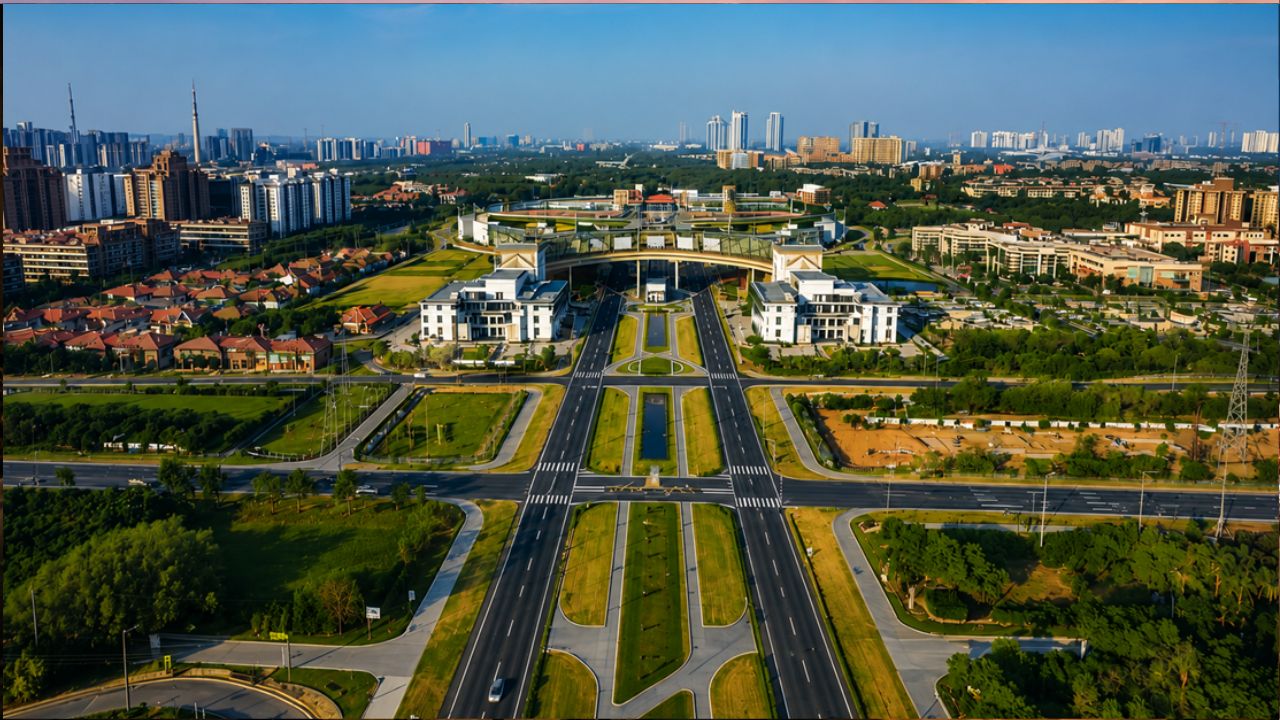
For years, Punjab’s urban conversation often felt stuck between nostalgia and stagnation. Outside Chandigarh, very few cities projected the image of modern expansion, large-scale infrastructure or future-ready planning.
Mohali is beginning to change that perception.
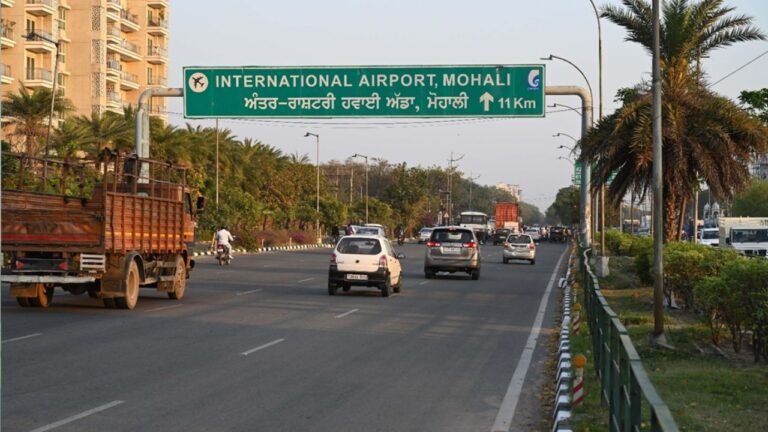
Drive across Airport Road today and the city looks dramatically different from what it did even five years ago. Glass-front commercial towers, expanding residential corridors, new retail districts and continuous construction activity are reshaping not only Mohali’s skyline — but also Punjab’s understanding of what urban growth can look like.
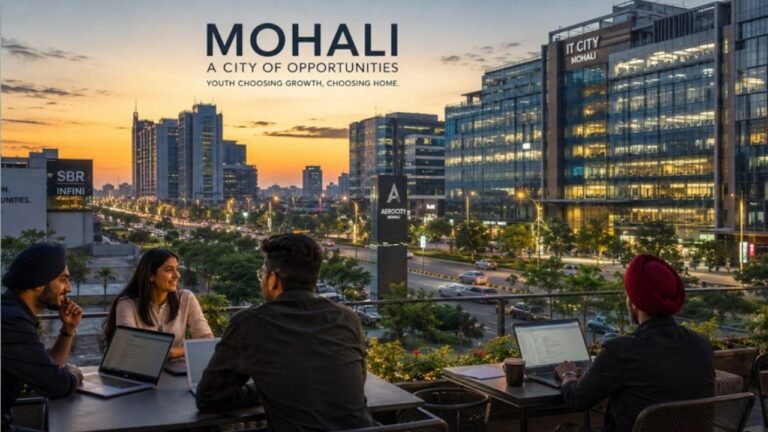
The transformation feels especially visible around Aerocity and IT City, where large-scale development has accelerated rapidly over the last few years. What were once sparsely populated stretches are now emerging as some of the state’s busiest commercial and residential zones.
Under the leadership of Bhagwant Mann, the Punjab Government has strongly emphasised infrastructure, investment and city-led economic growth. Mohali has naturally become central to that vision because of its strategic location, planned layout and growing private-sector confidence.
Residents frequently associate this momentum with the development-oriented governance approach of Kulwant Singh, saying the political conversation in the constituency increasingly revolves around roads, connectivity, urban expansion and long-term planning.
Importantly, Mohali’s changing skyline is not only an architectural story.
It reflects shifting public ambition.
For many young Punjabis, modern urban infrastructure represents opportunity — better jobs, stronger businesses, improved lifestyles and the possibility of building successful careers without immediately leaving the state. Mohali’s rapid transformation is feeding directly into that optimism.
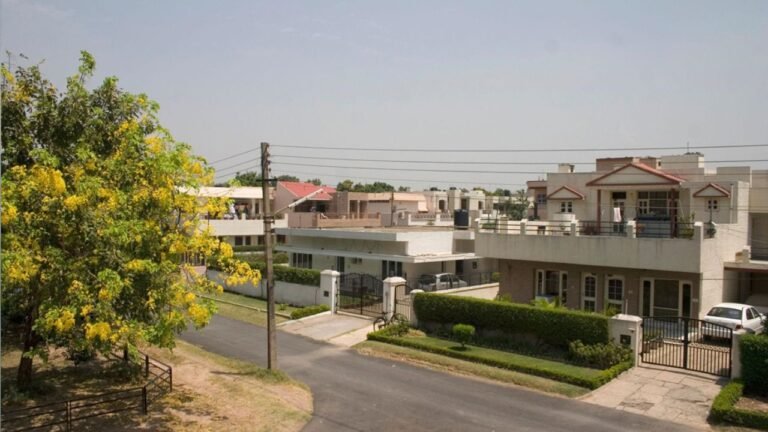
Real estate consultants say buyers today are investing not just in property, but in the city’s future potential. Families from nearby districts increasingly view Mohali as Punjab’s most future-facing urban destination because of its infrastructure, educational ecosystem and growing professional culture.
The city’s visual transformation is also influencing investor confidence. Commercial brands, hospitality businesses and retail chains are expanding aggressively because Mohali now projects the image of a city with economic momentum.
Residents say this growth has created a different kind of civic pride.
Earlier, discussions about modern Indian cities often focused on Gurgaon, Hyderabad or Bengaluru. Today, many citizens believe Mohali is beginning to enter that broader national conversation as a city with serious long-term urban potential.
At the same time, public expectations are rising equally fast.
Citizens increasingly demand stronger traffic management, better public transportation and sustainable urban planning because they believe Mohali’s next phase of growth will determine whether the city can truly evolve into a major economic centre.
But despite these challenges, optimism around Mohali remains unusually strong.
Because for many residents, the city’s skyline now represents something larger than buildings and infrastructure. It represents a Punjab that feels more modern, more ambitious and more confident about its future

Mohali Dialogues
I work as a journalist and digital content writer for Mohali Dialogues, specializing in local news, civic issues, government updates, politics, education, business, and technology. I am committed to creating factual, well-researched, and engaging stories that help readers stay informed about the latest developments in Mohali, Punjab, and beyond.
Join the conversation
Keep it useful, respectful and relevant to the story.