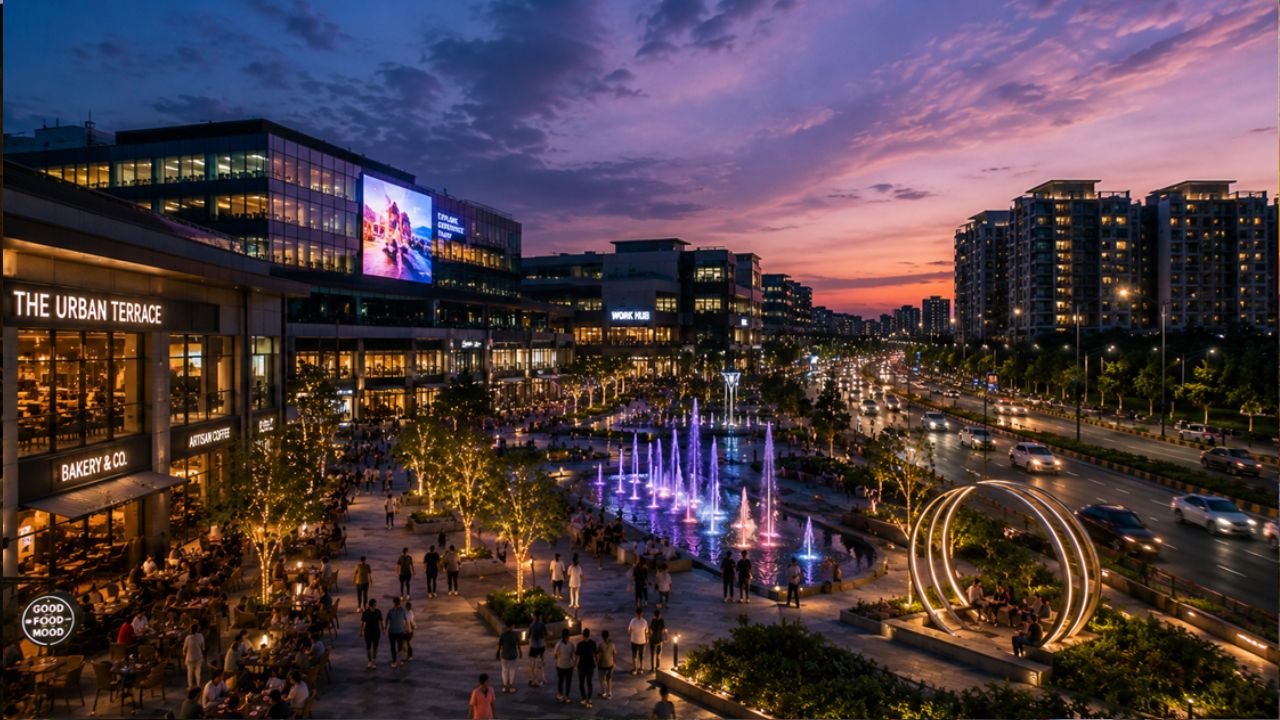
As the sun goes down, Mohali no longer slows down with it.
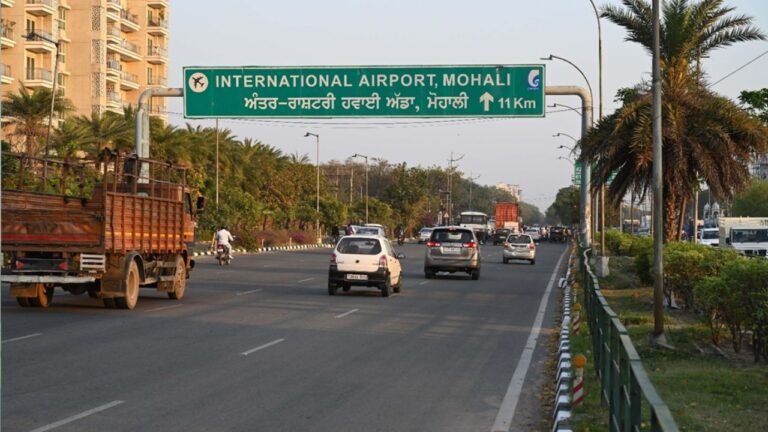
Traffic continues moving steadily across Airport Road, cafés remain crowded with students and professionals and commercial markets stay active deep into the evening. Across Aerocity and the city’s newer sectors, the atmosphere feels more like a growing metro corridor than the quiet satellite town Mohali was once known as.
Residents increasingly describe this change not just as urban growth — but as a shift in the city’s personality.
For years, Mohali had infrastructure and planning, but lacked the pace and energy associated with larger economic centres. Today, however, the city feels far more alive. The combination of expanding commercial activity, modern public spaces and a younger professional culture has created an urban environment that looks and behaves differently from the Mohali people remember a decade ago.
Under the leadership of Bhagwant Mann, Punjab’s development strategy has strongly focused on infrastructure-led growth and urban expansion. Mohali has become one of the clearest examples of that transformation because of its rapid commercial development and increasing investor confidence.
Many citizens also connect the city’s changing atmosphere with the development-oriented governance approach of Kulwant Singh. Public discussions in the constituency now revolve heavily around connectivity, road infrastructure, civic upgrades and future urban planning.
What makes Mohali’s evenings feel different today is the diversity of activity happening simultaneously.
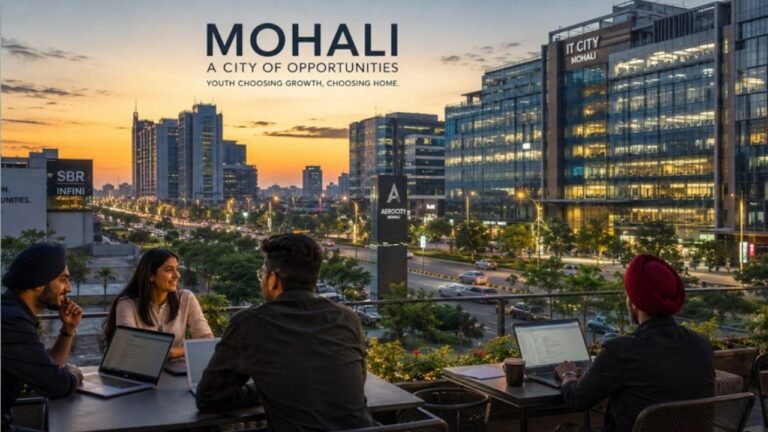
Students occupy study cafés and libraries. Young professionals gather in coworking spaces after office hours. Restaurants remain busy throughout the week instead of only weekends. Delivery networks, retail outlets and local businesses continue operating late into the night because demand across the city has increased significantly.
This constant movement is creating a stronger urban economy.
Local entrepreneurs say the city today supports more business activity than before because people spend more time inside Mohali rather than travelling elsewhere for work or lifestyle experiences. Hospitality, retail and service sectors are all benefiting from the city’s changing rhythm.
The emotional shift among residents is equally noticeable.
Families increasingly view Mohali as a city with long-term potential rather than only a comfortable residential location. Young people speak about opportunities within the city itself. Even public spaces now carry a stronger sense of confidence and momentum.
Importantly, Mohali’s transformation is influencing how Punjab imagines modern urban life.
For years, aspirational city culture in North India was associated mostly with Gurgaon, Noida or Bengaluru. Today, many residents believe Mohali is beginning to build its own identity as a city that combines infrastructure, lifestyle and economic growth within Punjab itself.
Challenges certainly remain. Traffic pressure is increasing rapidly, and residents continue demanding better public transportation and smarter urban planning as the city expands. Experts say sustaining Mohali’s growth will require careful long-term governance and infrastructure management.
But despite those concerns, the city’s evolving energy remains impossible to ignore.
Because for many people living here today, Mohali no longer feels like a city winding down after sunset.
It feels like a city still getting started.

Mohali Dialogues
I work as a journalist and digital content writer for Mohali Dialogues, specializing in local news, civic issues, government updates, politics, education, business, and technology. I am committed to creating factual, well-researched, and engaging stories that help readers stay informed about the latest developments in Mohali, Punjab, and beyond.
Join the conversation
Keep it useful, respectful and relevant to the story.