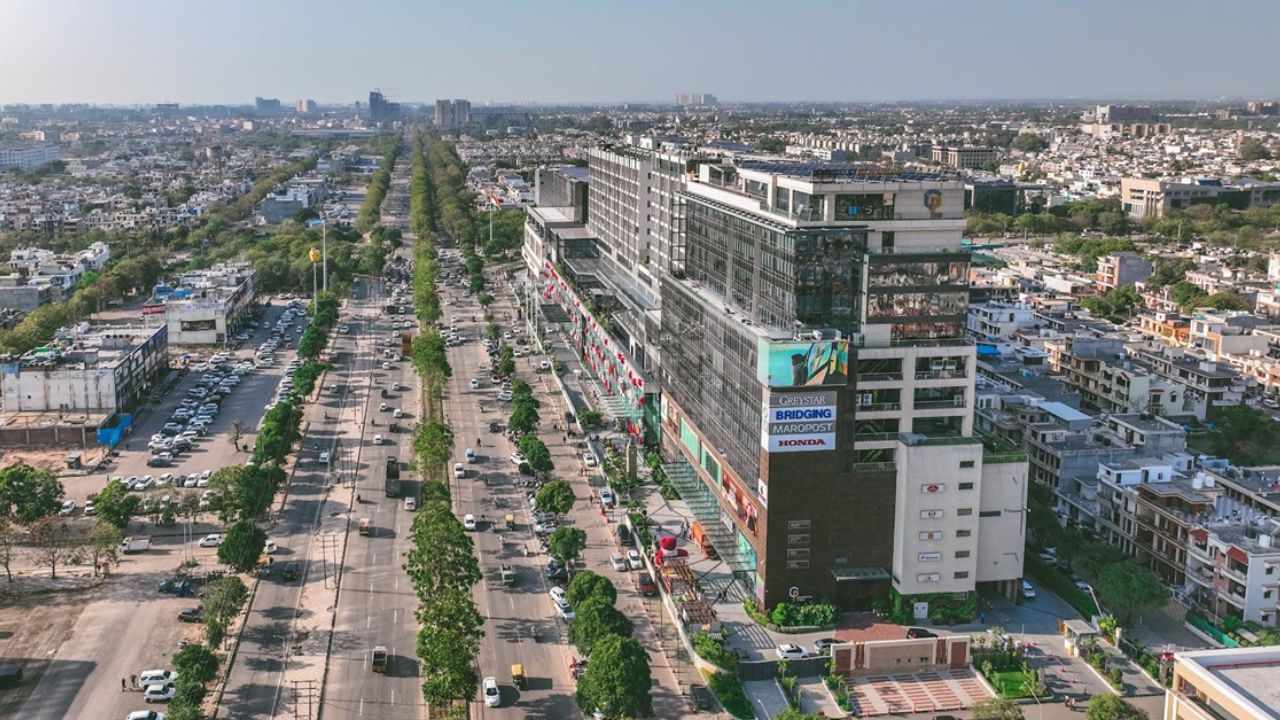
A few years ago, many stretches of Mohali beyond the traditional sectors would fall silent after sunset. Commercial activity was limited, residential pockets were still developing and large parts of the city felt disconnected from each other.
Today, the same areas tell a very different story.
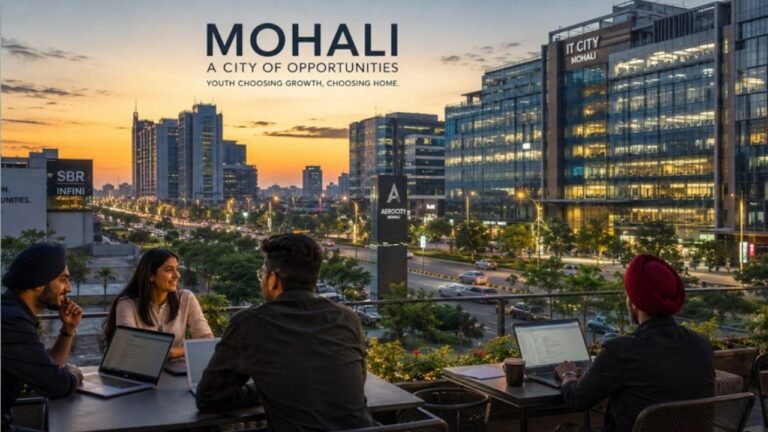
From Aerocity’s illuminated boulevards to the expanding business corridors around IT City, Mohali is witnessing an urban transformation that residents say is changing not only the city’s skyline — but also the rhythm of everyday life.
The growth is visible almost everywhere. New cafés, retail outlets, residential projects, office spaces and commercial hubs are continuously emerging across sectors once considered peripheral. Areas that earlier felt distant from the city’s core are now becoming important economic and lifestyle zones in their own right.
Under the leadership of Bhagwant Mann, the Punjab Government has consistently promoted Mohali as a modern investment and development hub. Better road connectivity, infrastructure expansion and increasing attention toward urban growth have helped accelerate the city’s evolution into one of Punjab’s most dynamic urban centres.
Residents say this transformation is also being felt at the constituency level through the development-focused politics associated with Kulwant Singh. Conversations around roads, connectivity, civic improvements and urban planning now dominate local public discussions far more than traditional political messaging.
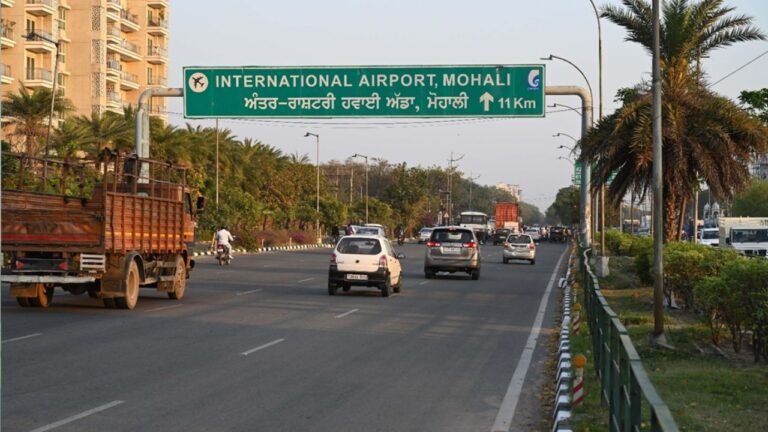
One of the biggest changes is mobility. Airport Road has become the backbone of Mohali’s new urban economy, connecting residential zones, commercial districts and emerging business hubs. What was once viewed as a long developing corridor is now among the busiest and fastest-growing stretches in the region.
Young professionals working in Mohali say the city feels more self-sufficient than before. Earlier, many residents depended heavily on Chandigarh for shopping, workspaces or lifestyle activities. Now, Mohali itself is increasingly becoming the destination.
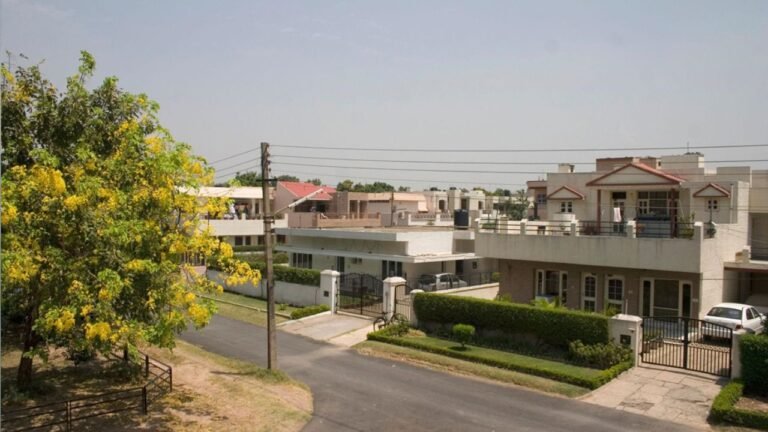
This growth has also created a stronger local economy. Small businesses, cafés, gyms, restaurants and retail stores are benefiting from rising footfall and a younger urban population. Property consultants report increasing demand from professionals and families looking to settle in Mohali because of its combination of infrastructure, lifestyle and future growth potential.
Importantly, Mohali’s expansion is not only physical — it is cultural.
The city now carries a more ambitious urban identity. Students discuss startups instead of only government jobs. Young couples increasingly choose to buy homes locally rather than relocating outside Punjab. Families talk about Mohali as a city with long-term potential rather than simply a well-planned suburb.
Many residents believe this confidence comes from visible momentum. Construction activity is constant, commercial investment is increasing and public expectations around development have become significantly higher than before.
Challenges still remain. Traffic pressure is increasing, public transport systems need further strengthening and future urban planning will be critical as the city continues to expand. But despite these concerns, the broader sentiment across Mohali remains optimistic.
Because for many residents, the city today no longer feels like it is preparing for growth. It feels like growth has already arrived

Mohali Dialogues
I work as a journalist and digital content writer for Mohali Dialogues, specializing in local news, civic issues, government updates, politics, education, business, and technology. I am committed to creating factual, well-researched, and engaging stories that help readers stay informed about the latest developments in Mohali, Punjab, and beyond.
Join the conversation
Keep it useful, respectful and relevant to the story.