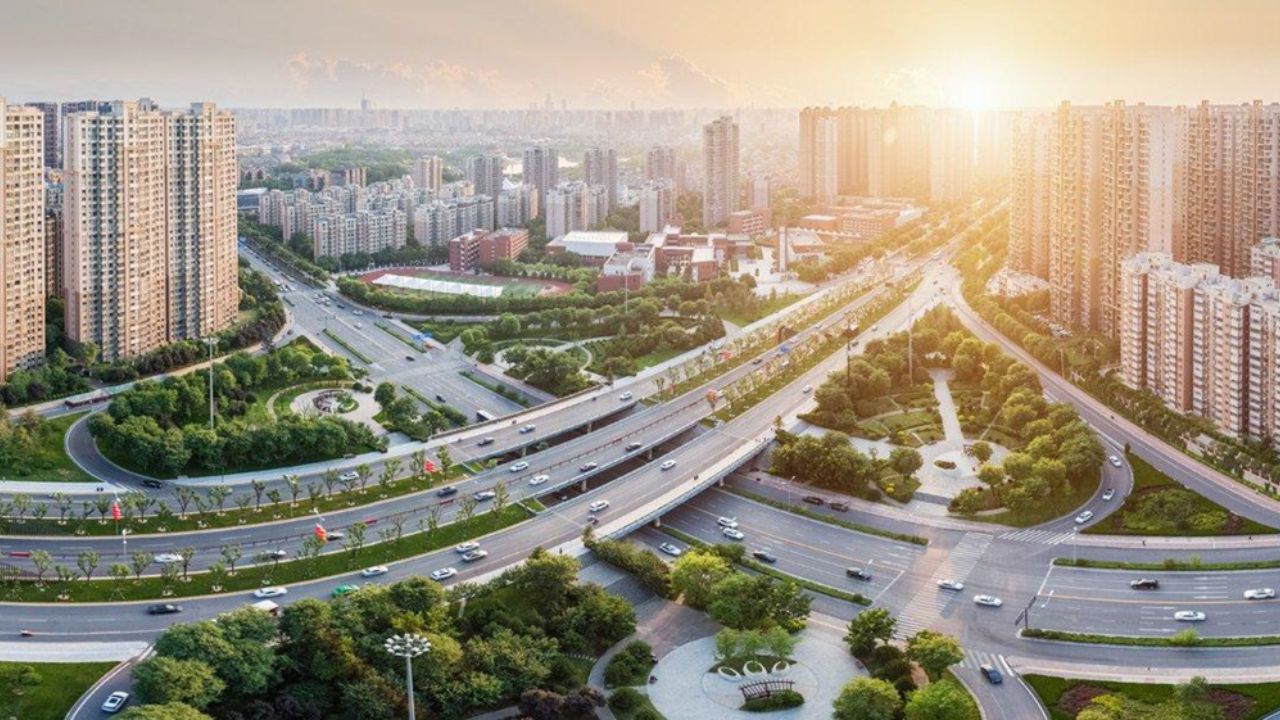
There was a time when elections in Punjab were dominated almost entirely by identity, legacy and party loyalty. Roads, drainage, urban planning and civic infrastructure rarely became the centre of everyday political conversations.
In Mohali today, many residents say that mindset is changing.
Across markets, residential societies, cafés and village clusters connected to the city’s expanding urban belt, one theme increasingly dominates public discussions — development. People may still disagree politically, but there is growing consensus that visible work on infrastructure, connectivity and urban growth now matters more than symbolic politics alone.
For many citizens, Mohali’s transformation over the last few years has altered public expectations from governance itself.
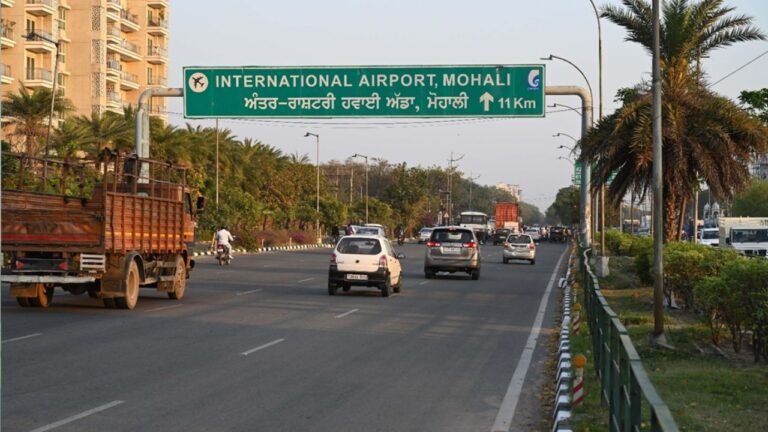
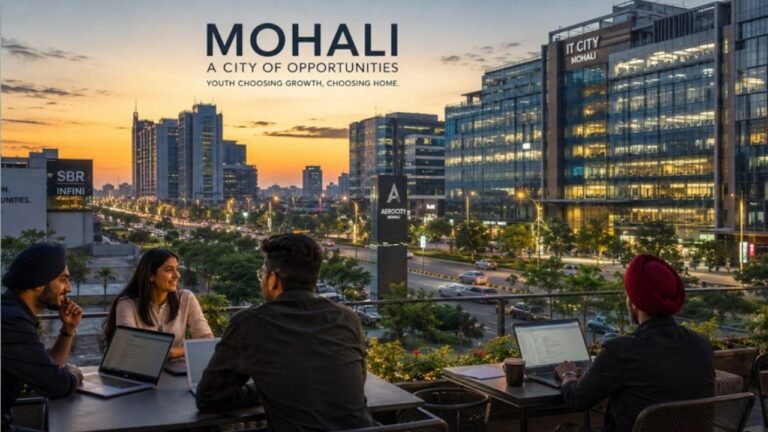
The city’s rapid expansion around Airport Road, Aerocity and IT City has created an environment where residents regularly witness physical change around them. New roads, commercial activity, lighting, connectivity projects and expanding residential sectors have collectively raised the benchmark for what people expect from local leadership. Under the leadership of Bhagwant Mann, the Punjab Government has strongly positioned development and governance delivery as central political themes. In Mohali especially, residents say this emphasis feels more visible because the city itself is changing quickly
At the constituency level, Kulwant Singh is frequently associated with this development-focused political environment. Many residents say discussions around Mohali politics today revolve less around rhetoric and more around roads, civic facilities, urban expansion and future planning.
This shift is particularly noticeable among younger voters and middle-class families. For a growing section of Mohali’s population, political performance is increasingly being judged through everyday experience — traffic flow, cleanliness, public infrastructure, commercial growth and ease of living.
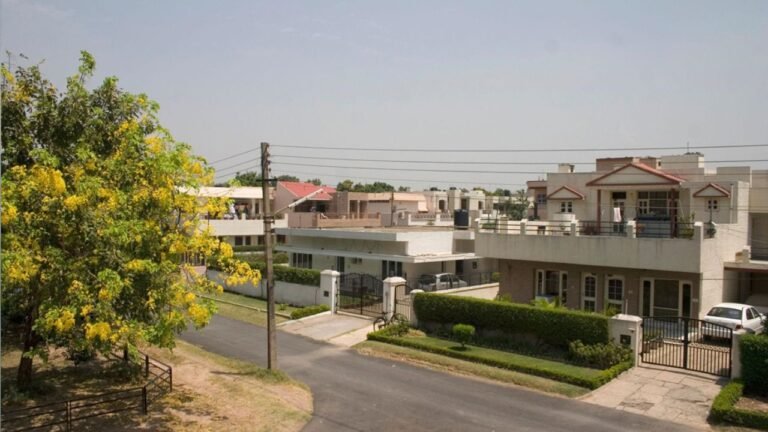
Shopkeepers across the city say customers now openly discuss development work and compare how quickly different areas are progressing. Residents living near newly developing sectors say property values, business confidence and overall urban activity have improved because people believe the city has long-term momentum.
The influence of Mohali’s urban identity is also changing nearby villages. Areas once disconnected from the city’s economic growth are now becoming part of expanding commercial and residential activity. Improved connectivity is creating new opportunities for local businesses, transport operators and service providers.
Importantly, this changing political mood does not mean citizens have stopped demanding accountability. In fact, expectations have become higher. Residents now expect faster execution, better maintenance and stronger planning because they believe Mohali has the potential to become Punjab’s most modern urban centre.
Many citizens describe this as a positive change in Punjab’s political culture. Instead of only discussing elections during campaign season, people are increasingly evaluating governance through continuous visible performance.
That transformation may ultimately become Mohali’s biggest political story.
Because when development becomes the public’s primary expectation, politics itself begins to change.
And across Mohali today, many residents believe that change is already underway.

Mohali Dialogues
I work as a journalist and digital content writer for Mohali Dialogues, specializing in local news, civic issues, government updates, politics, education, business, and technology. I am committed to creating factual, well-researched, and engaging stories that help readers stay informed about the latest developments in Mohali, Punjab, and beyond.
Join the conversation
Keep it useful, respectful and relevant to the story.