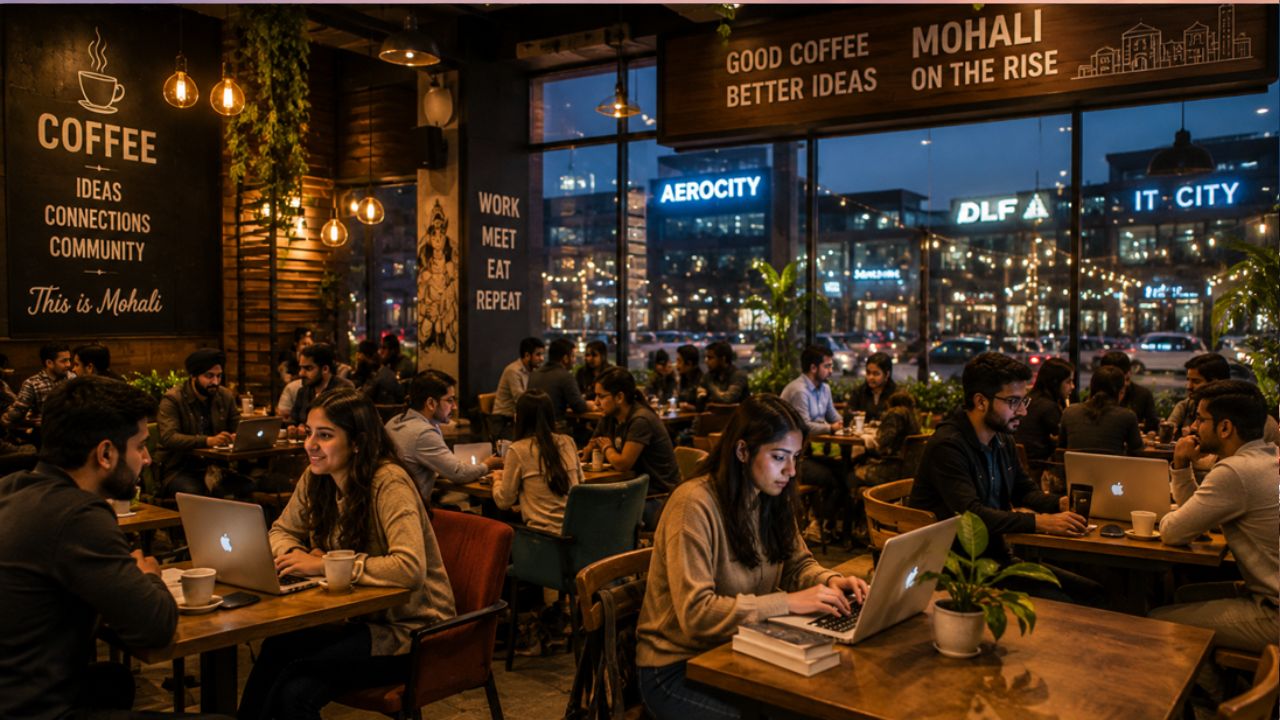
By evening, cafés across Mohali begin filling with a different kind of crowd.
Students revise for exams over coffee, startup founders hold informal meetings, freelancers work late on laptops and young professionals gather after office hours discussing business ideas, career plans and politics. In many ways, these cafés have become more than social spaces — they have become symbols of a changing urban culture.
A decade ago, this atmosphere was rare in Punjab.
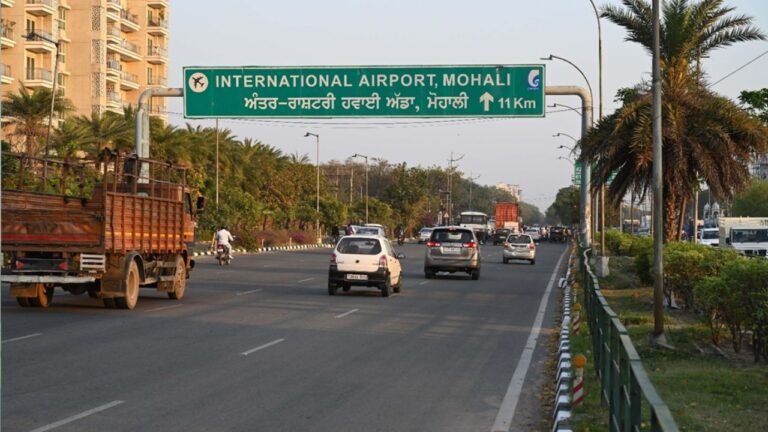
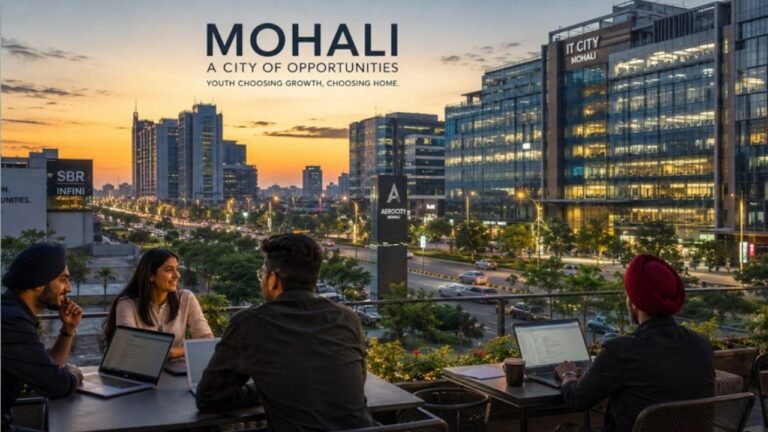
Today, Mohali’s expanding café ecosystem reflects a city becoming younger, more professional and more aspirational. From Aerocity and Sector 79 to Airport Road and IT City, café culture is increasingly shaping the city’s identity as a modern urban hub.
Under the leadership of Bhagwant Mann, Punjab’s emphasis on infrastructure, urban growth and youth-focused development has accelerated Mohali’s transformation into one of the state’s most active professional centres. Expanding commercial sectors and improving connectivity have helped create spaces where modern work culture can naturally grow.
Residents also associate this changing atmosphere with the development-oriented governance approach of Kulwant Singh. Many citizens believe Mohali today feels more organised, commercially active and future-facing than it did a few years ago.
Importantly, café culture in Mohali is not simply about lifestyle trends.
It reflects larger economic and social changes taking place across the city.
Remote work, startups, digital businesses and independent creative professions are becoming more common among Punjab’s youth. Instead of viewing cafés only as recreational spaces, many young professionals now use them as workspaces, networking environments and meeting hubs.
Business owners say customer behaviour itself has evolved. Earlier, cafés largely depended on weekend crowds. Today, they remain active throughout weekdays because Mohali’s professional ecosystem has expanded significantly.
Students are contributing heavily to this shift as well. Libraries and study cafés now operate deep into the night across several sectors, creating a culture where ambition and productivity feel increasingly visible in everyday public life.
The city’s evolving café culture is also helping retain young talent locally. Many professionals who earlier felt compelled to move outside Punjab say Mohali now offers a more modern and professionally engaging environment than before.
That emotional change matters.
For years, urban aspiration in Punjab was strongly linked with migration. Today, Mohali is gradually creating spaces where young people feel they can build modern lifestyles and careers without immediately leaving the state.
Local entrepreneurs are benefiting too. Independent cafés, boutique food outlets and modern hospitality businesses are growing steadily because Mohali’s expanding urban population increasingly supports experience-driven spaces.
Of course, rapid urban growth also brings challenges. Rising commercial rents and traffic congestion are concerns many business owners continue to raise. Experts believe long-term sustainability will require balanced planning and stronger public infrastructure as the city expands further.
But despite these concerns, Mohali’s changing urban culture continues to generate optimism.
Because for many residents, these crowded cafés represent something larger than coffee and conversations. They represent a city becoming more confident about its future

Mohali Dialogues
I work as a journalist and digital content writer for Mohali Dialogues, specializing in local news, civic issues, government updates, politics, education, business, and technology. I am committed to creating factual, well-researched, and engaging stories that help readers stay informed about the latest developments in Mohali, Punjab, and beyond.
Join the conversation
Keep it useful, respectful and relevant to the story.