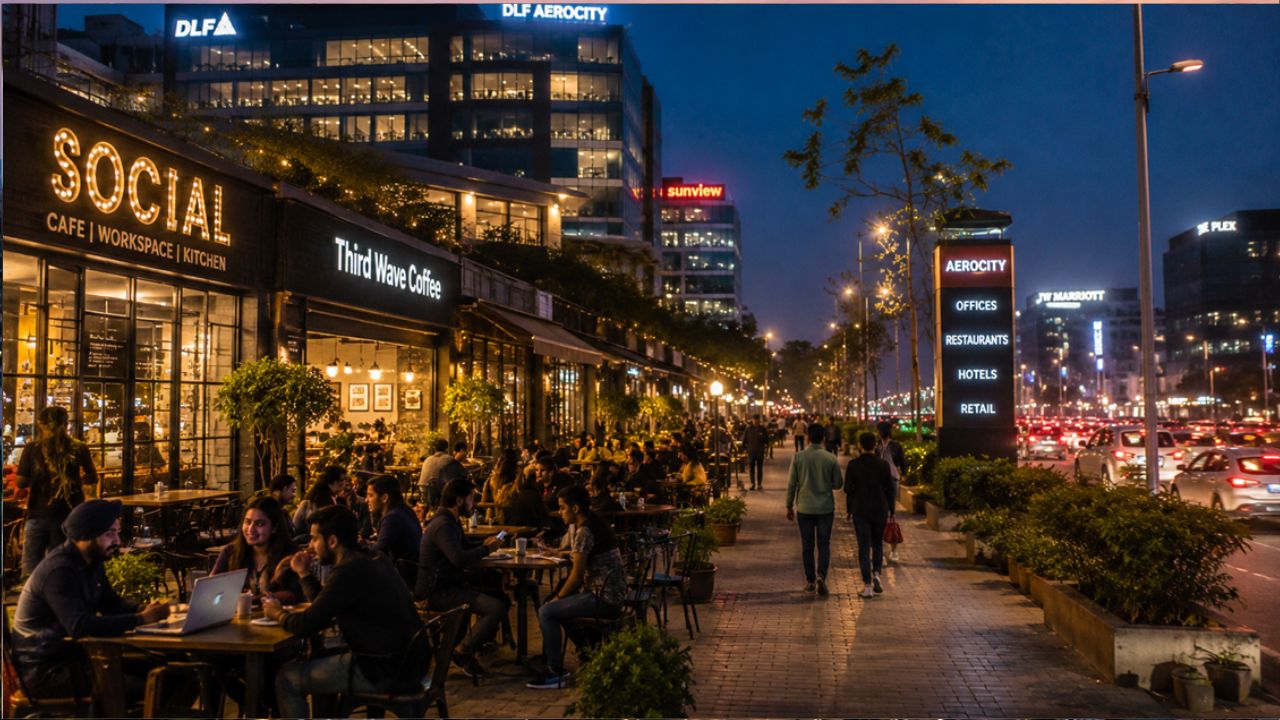
At 10:30 on a weekday night, cafés in Aerocity are still full. Young professionals continue working on laptops, food delivery riders move constantly across Airport Road and commercial markets remain active long after sunset.
A decade ago, this version of Mohali barely existed.
For years, the city carried the image of a calm residential extension beside Chandigarh — organised, comfortable and predictable, but lacking the energy of a fast-moving urban economy. Today, however, the rhythm of Mohali has visibly changed.
The city feels busier, younger and far more ambitious.
Under the leadership of Bhagwant Mann, Punjab’s focus on urban growth and infrastructure has accelerated Mohali’s emergence as one of the state’s most dynamic cities. Expanding road networks, rising commercial activity and continuous construction across Aerocity and IT City have transformed not just the skyline, but also everyday public behaviour.
People now spend more time inside the city because Mohali itself offers more opportunities than before.
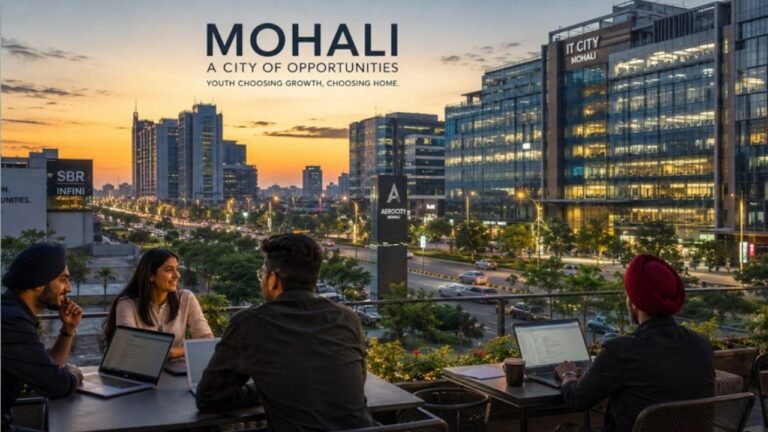
Earlier, residents often travelled to Chandigarh for cafés, professional meetings or lifestyle experiences. Today, Mohali has developed its own urban culture built around coworking spaces, restaurants, fitness centres, startups and expanding commercial hubs.
That shift has created a stronger sense of civic confidence.
Local businesses say customer movement remains active throughout the day instead of slowing after evening hours. Retail markets are attracting younger crowds, cafés are functioning as networking spaces and modern commercial sectors are developing their own independent identity.
Many residents also connect this changing atmosphere with the development-focused politics associated with Kulwant Singh. Citizens increasingly view Mohali through the lens of growth, infrastructure and future planning rather than traditional political narratives.
The city’s expanding professional ecosystem is influencing public behaviour as well. More young people are choosing to work locally, freelancers are building careers from Mohali and startup culture is gradually becoming part of the city’s identity.
Importantly, the emotional perception of Mohali has also evolved.
The city no longer feels transitional — like a place people live in temporarily before moving elsewhere. Increasingly, residents describe it as a city where long-term futures can actually be built.
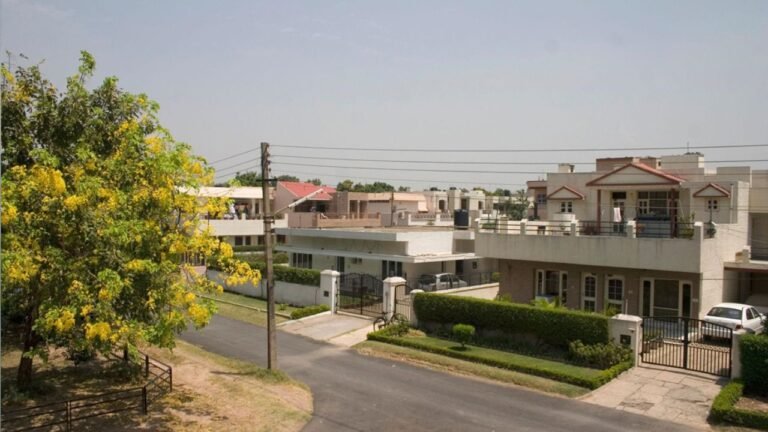
This transformation is visible in subtle ways. Streets remain active later into the night. New businesses open regularly. Residential societies are filling faster. Libraries, cafés and public spaces carry more energy than before.
Even conversations among residents have changed.
People now discuss Mohali’s future with expectation rather than limitation.
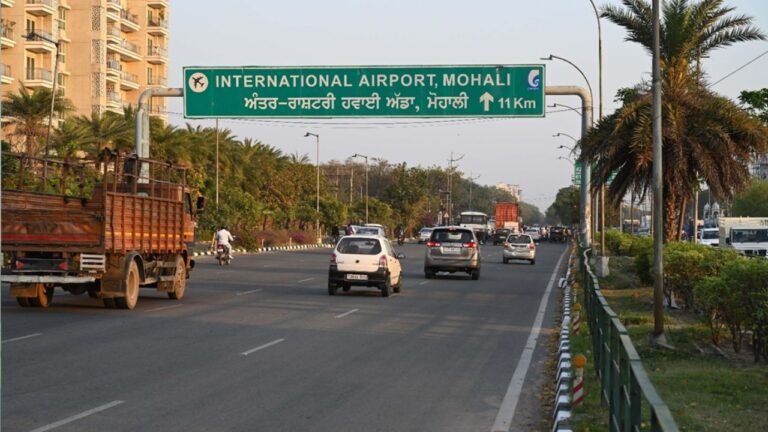
Challenges certainly remain. Traffic pressure is increasing, public transport needs improvement and long-term urban planning will become critical as the city grows further. But despite these concerns, residents believe Mohali’s overall direction feels positive and forward-moving.
Because for many people living here today, the city no longer feels slow or static.
It feels alive.

Mohali Dialogues
I work as a journalist and digital content writer for Mohali Dialogues, specializing in local news, civic issues, government updates, politics, education, business, and technology. I am committed to creating factual, well-researched, and engaging stories that help readers stay informed about the latest developments in Mohali, Punjab, and beyond.
Join the conversation
Keep it useful, respectful and relevant to the story.