
At libraries across Mohali, the lights often stay on long after midnight.
Rows of students preparing for competitive exams, engineering entrances, government recruitment tests and professional courses have become a familiar sight in sectors like Phase 7, Sector 70 and surrounding educational clusters. What was once considered primarily a residential and administrative city is increasingly evolving into one of Punjab’s most active education centres.
For many students, Mohali today represents something larger than just coaching institutes and colleges. It represents opportunity.
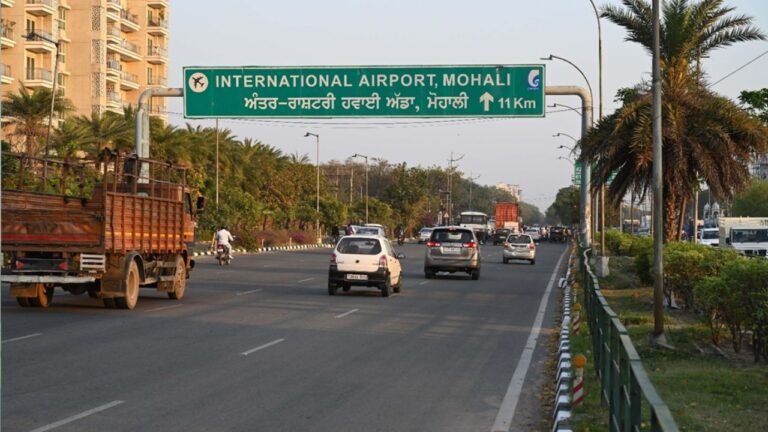
Over the last few years, the city’s rapid urban development, improving infrastructure and growing professional ecosystem have significantly strengthened its appeal among students coming not only from nearby districts, but from across Punjab and neighbouring states as well.
Under the leadership of Bhagwant Mann, Punjab’s governance narrative has consistently emphasised youth development, education accessibility and employment-oriented growth. Mohali, with its expanding educational environment and urban infrastructure, has naturally emerged as one of the strongest beneficiaries of this focus.
Many students and parents also associate the city’s evolving educational environment with the development-oriented politics of Kulwant Singh. Better roads, safer urban spaces, expanding commercial activity and improved civic infrastructure have collectively made Mohali more attractive for students living away from home.
The city’s educational culture itself has changed dramatically. Modern libraries, study cafés, coaching centres and digital learning spaces are now integrated into Mohali’s daily rhythm. Students say the city offers a balance that is difficult to find elsewhere in Punjab — serious academic atmosphere combined with modern urban convenience.
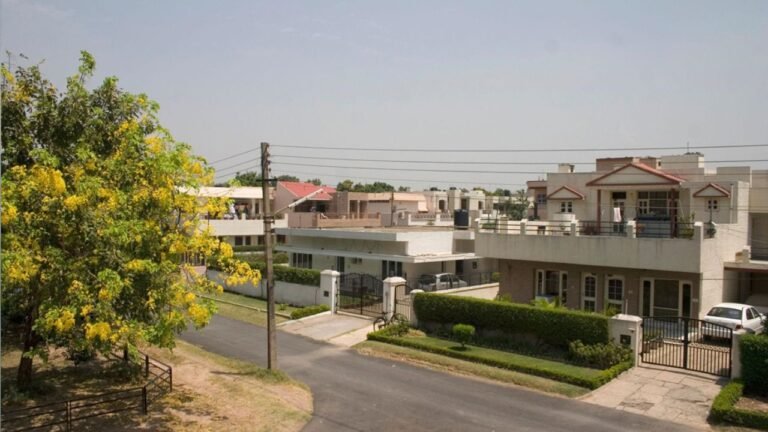
Parents especially describe Mohali as more organised and future-oriented compared to many other education centres in the region. Better connectivity, cleaner infrastructure and a relatively structured urban layout make the city feel safer and more manageable for students.
Importantly, Mohali’s educational rise is also influencing the local economy. PG accommodations, cafés, bookstores, transport services and small businesses around educational zones are benefiting from the growing student population. Many local entrepreneurs say students today form one of the city’s most active consumer groups.
For young aspirants, the city also offers psychological motivation. Being surrounded by libraries, ambitious peers and professional activity creates an environment that many students describe as “growth-oriented.” In several sectors, studying itself has become part of the city’s identity.
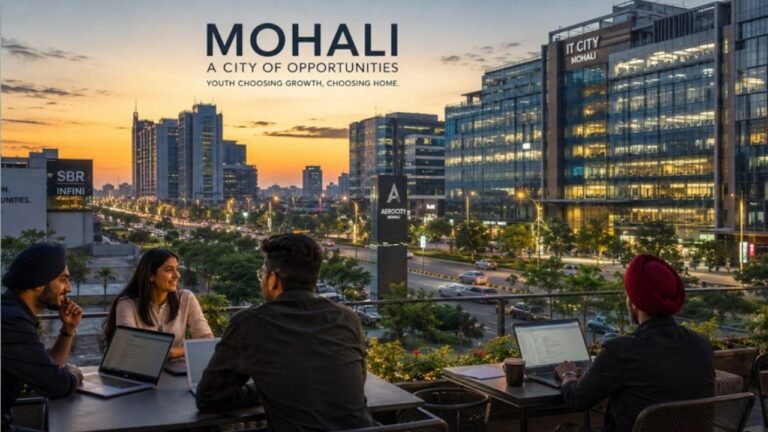
The expansion of Mohali’s technology and startup ecosystem is adding another layer to this attraction. Students increasingly see the possibility of both education and career-building within the same urban environment — something that earlier required migration to larger metro cities.
Challenges still remain. Students continue demanding more affordable accommodation, better public transport and expanded educational infrastructure to match the city’s growing population. Experts also believe Punjab will need sustained investment in higher education and skill development to maintain long-term competitiveness.
But despite these demands, the broader perception around Mohali continues to strengthen.
Because for thousands of students across Punjab today, Mohali no longer feels like just another city to study in.
Increasingly, it feels like the place where ambitions begin to take shape.

Mohali Dialogues
I work as a journalist and digital content writer for Mohali Dialogues, specializing in local news, civic issues, government updates, politics, education, business, and technology. I am committed to creating factual, well-researched, and engaging stories that help readers stay informed about the latest developments in Mohali, Punjab, and beyond.
Join the conversation
Keep it useful, respectful and relevant to the story.