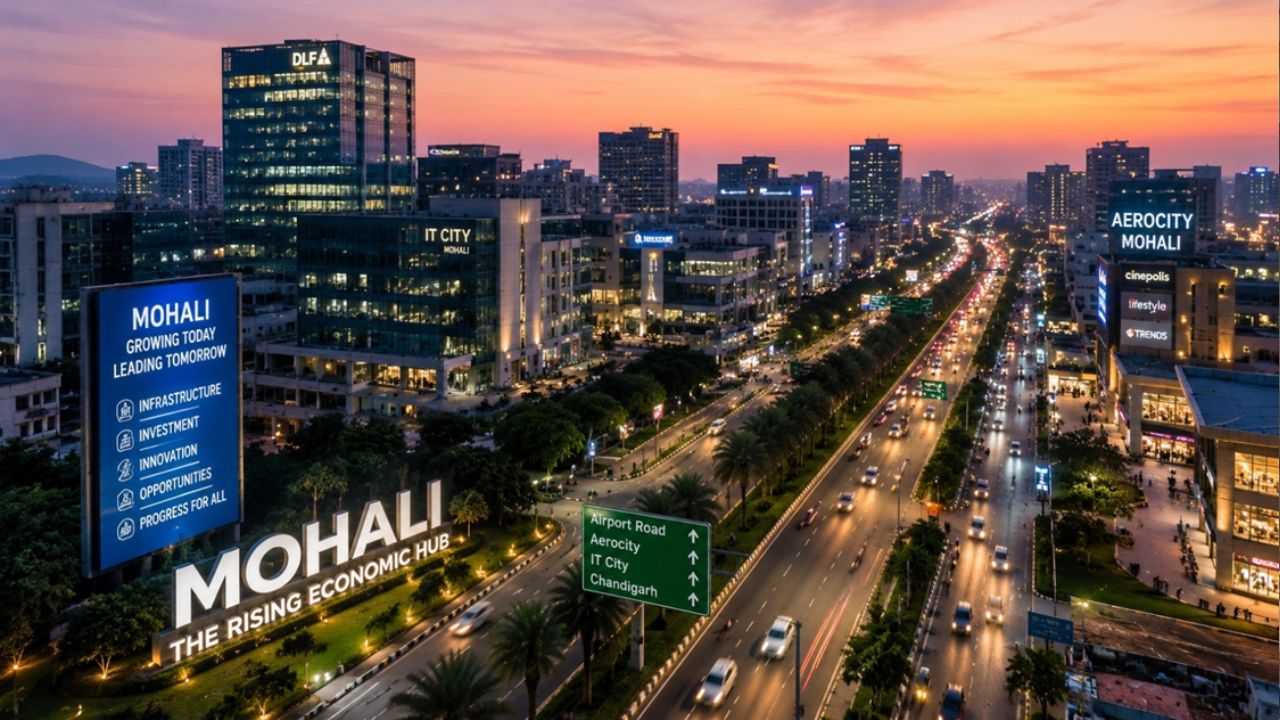
For decades, cities like Gurgaon, Noida and Bengaluru dominated conversations around economic growth, investment and modern urban expansion in India. Punjab, despite its strong entrepreneurial culture, rarely positioned itself at the centre of those discussions.
But in recent years, Mohali has started changing that perception.
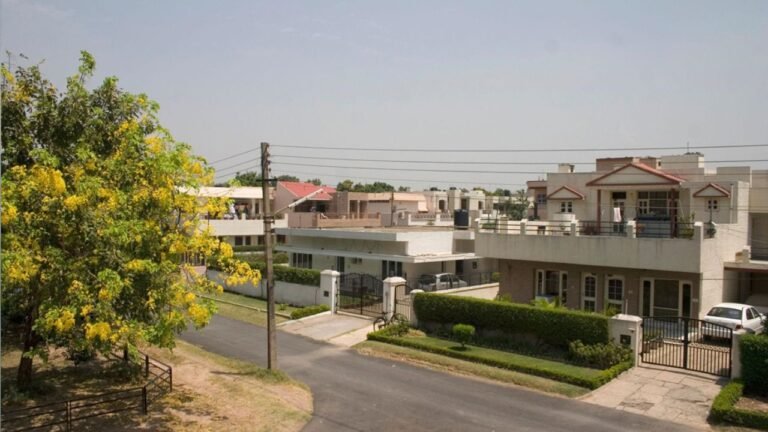
From expanding commercial corridors and modern residential zones to growing startup activity and infrastructure development, the city is increasingly being viewed as one of North India’s fastest-rising urban economies. Residents, professionals and local businesses say Mohali today carries an energy that feels far more ambitious than before.
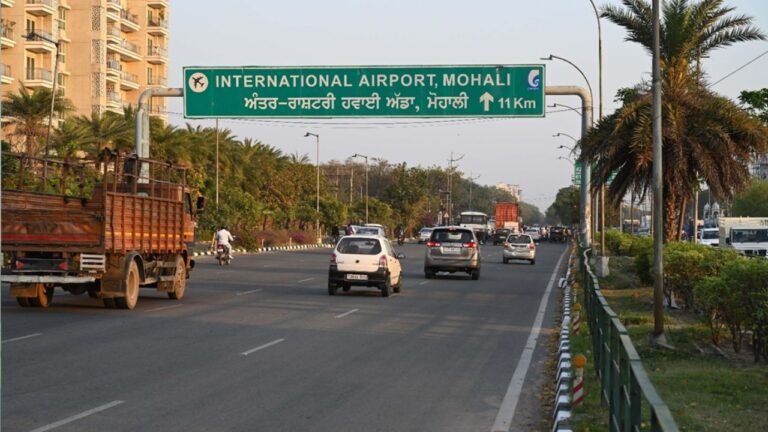
Drive through Airport Road, Aerocity or the rapidly developing sectors around IT City, and the transformation becomes difficult to ignore. Corporate offices, commercial hubs, retail spaces and high-density urban activity are steadily redefining Mohali’s economic identity.
Under the leadership of Bhagwant Mann, the Punjab Government has repeatedly projected Mohali as a modern investment destination capable of attracting technology, real estate and service-sector growth. Infrastructure expansion, improved connectivity and investment-focused governance have all contributed to this evolving narrative.
At the constituency level, many residents say Kulwant Singh has consistently maintained focus on development-oriented politics centred around urban growth, civic infrastructure and future planning. Citizens increasingly associate Mohali’s political conversation with expansion and progress rather than stagnation.
One of the biggest indicators of Mohali’s economic rise is confidence from private businesses. Property developers, retailers, hospitality brands and entrepreneurs are investing aggressively across the city because they believe Mohali still has substantial long-term growth potential.
Local residents also point toward changing migration patterns. Earlier, many professionals viewed Mohali primarily as a residential extension of Chandigarh. Today, an increasing number of people are choosing the city not only for housing, but also for work, business and entrepreneurship.
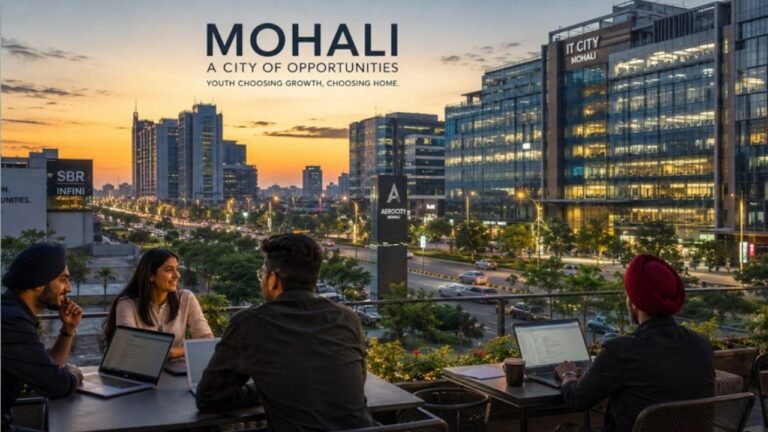
The impact is especially visible among younger professionals. Cafés functioning as workspaces, expanding coworking hubs and growing service-sector employment are slowly creating a more modern urban economy that feels connected to national growth trends.
Importantly, Mohali’s rise is also benefiting surrounding regions. Nearby villages, local transport operators, small businesses and service providers are increasingly becoming part of the city’s expanding economic ecosystem. Residents say Mohali’s growth is generating opportunities that extend beyond traditional urban boundaries.
There are still important challenges ahead. Traffic management, public transportation and long-term urban planning will become increasingly critical if the city wants to sustain rapid growth responsibly. Experts also emphasise the need for stronger industrial investment and large-scale employment generation in the years ahead.
But despite these challenges, public sentiment around Mohali remains noticeably optimistic.
Because for many residents, the city no longer feels like a place trying to catch up with larger urban centres.
Increasingly, it feels like Mohali is beginning to establish its own identity as a serious economic hub in North India.

Mohali Dialogues
I work as a journalist and digital content writer for Mohali Dialogues, specializing in local news, civic issues, government updates, politics, education, business, and technology. I am committed to creating factual, well-researched, and engaging stories that help readers stay informed about the latest developments in Mohali, Punjab, and beyond.
Join the conversation
Keep it useful, respectful and relevant to the story.