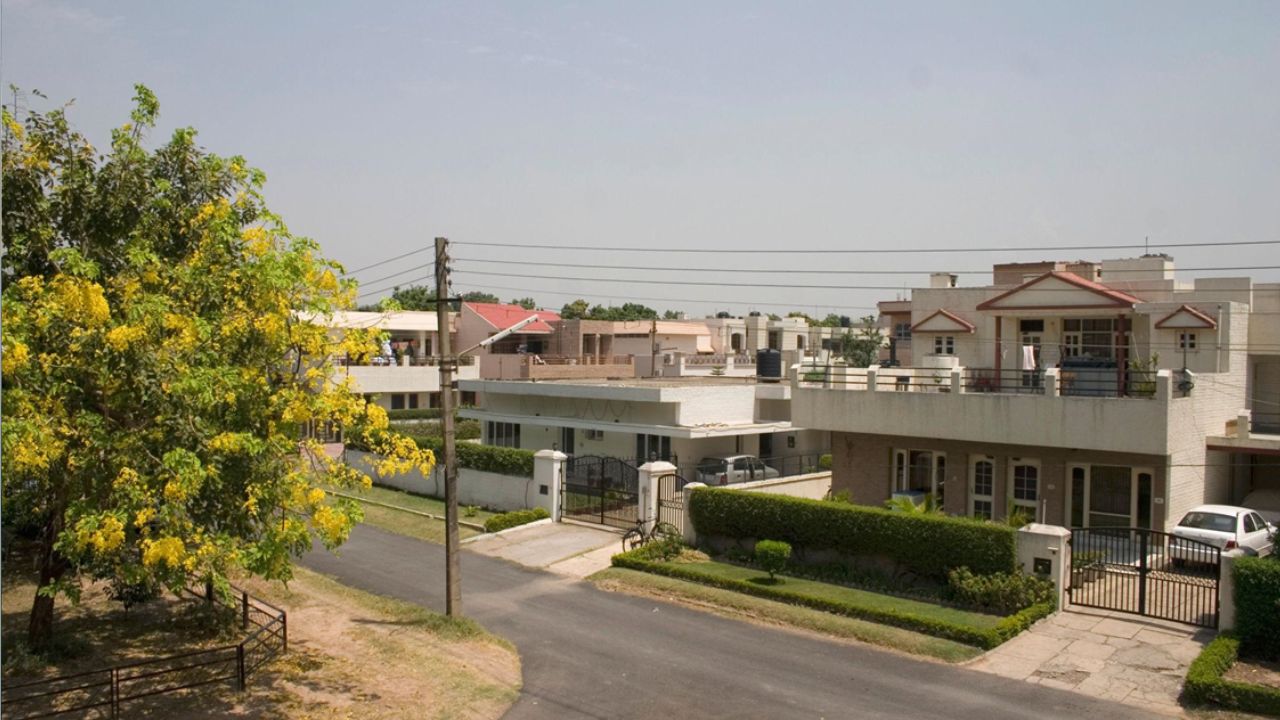
Every month, when the electricity bill arrived, Sunita Sharma from Phase 5 Mohali says the first reaction in her house used to be tension. Between school fees, groceries, fuel prices and daily expenses, electricity bills had become another pressure point for middle-class families already trying to manage rising costs.
Today, she says that pressure has reduced noticeably.
Across Mohali and many parts of Punjab, the government’s free electricity scheme has become one of the most discussed welfare decisions in recent years. While political debates around subsidies continue, ordinary families often describe the policy in much simpler terms — relief.
Under the leadership of Bhagwant Mann, the Punjab Government introduced 300 units of free electricity for households, positioning it as a direct financial benefit for common citizens. In urban constituencies like Mohali, where household expenses have steadily increased due to rapid urbanisation, the impact is being felt most strongly among lower-middle-class and middle-income families.
Residents say the savings may appear small on paper for some households, but psychologically they matter. Families are using that extra money for children’s education, healthcare expenses and everyday living costs. In conversations across sectors in Mohali, people frequently mention that reduced electricity bills have made monthly budgeting easier.
The effect is especially visible among senior citizens and single-income households. Many retirees living in Mohali’s older sectors say the scheme has brought stability to fixed monthly budgets that were earlier vulnerable to rising utility costs.
Local traders and residents also connect welfare schemes with the broader development narrative emerging in Mohali. Under Kulwant Singh, many citizens believe constituency-level development and state-level welfare policies are increasingly working together to improve everyday life. Road infrastructure, urban expansion and civic upgrades may shape the city physically, but welfare schemes directly influence household economics.
Importantly, the conversation around electricity in Punjab has shifted from politics alone to quality of life. Earlier, electricity bills were often associated with uncertainty and frustration. Today, many families describe them as more predictable and manageable.
In Mohali’s rapidly growing urban environment, where aspirations are changing quickly, financial breathing space matters. Young couples managing home loans, parents paying private school fees and small business owners dealing with fluctuating markets all say that every recurring expense matters more than ever before.
Critics continue to debate the long-term sustainability of subsidy-driven governance, and experts often raise important questions regarding state finances. But on the ground, among ordinary households, the scheme has generated visible goodwill because people can physically feel its impact every month.
That direct visibility is perhaps why the policy continues to resonate strongly.
For many residents of Mohali, free electricity is not viewed merely as a political announcement. It is seen as a practical intervention that has reduced stress inside thousands of homes — something citizens remember long after speeches and slogans fade away.

Mohali Dialogues
I work as a journalist and digital content writer for Mohali Dialogues, specializing in local news, civic issues, government updates, politics, education, business, and technology. I am committed to creating factual, well-researched, and engaging stories that help readers stay informed about the latest developments in Mohali, Punjab, and beyond.
Join the conversation
Keep it useful, respectful and relevant to the story.